Donate

You can support MATRIX along with the development of our tools, resources, and research with your donation, find out how.

Project Highlights

Why Digital Technologies and Oral History Belong Together

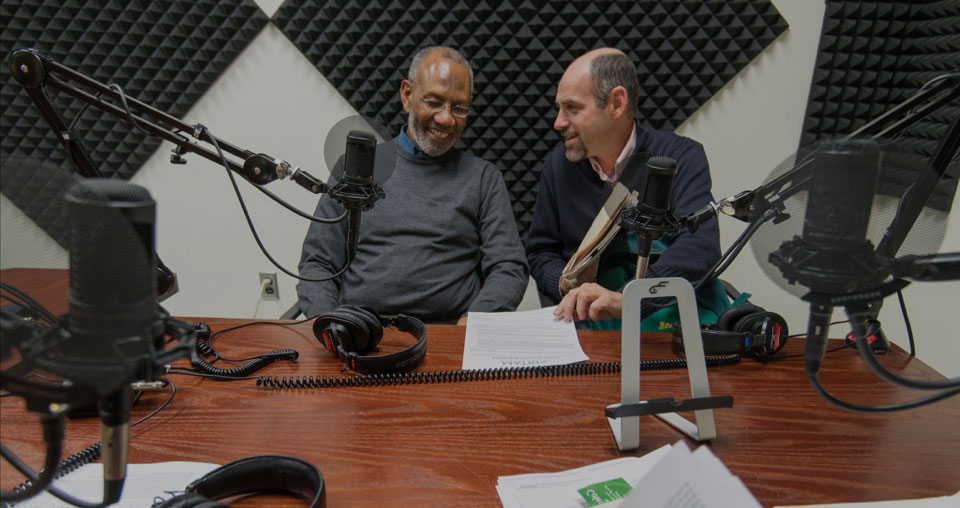
Oral History in the Digital Age logo The Library of Congress through The Signal: Digital Preservation blog recently posted an article about Doug Boyd, director of the Louie B. Nunn Center for Oral History at the University of Kentucky Libraries. In the post, Boyd talks about using digital technology to collect, curate, distribute, and preserve oral histories. Boyd recently partnered with MATRIX on ...

Vietnam Project Archive Receives Attention from the Lansing State Journal

The Lansing State Journal recently posted an article entitled MSU, the CIA— and Vietnam. This article contains portions of interviews with the primary investigators for the MSU Group Vietnam Project Archive, a digital preservation and access collaboration between the University Archives & Historical Collections at MSU and MATRIX. This project, which has received significant NEH ...

Archaeology and the Digital Humanities: Why the Separation?

MATRIX Associate Director Ethan Watrall, traveled to the Maryland Institute for Technology in the Humanities (MITH) Institute on Thursday, October 04, 2012 to give a digital dialogue entitled “Archaeology and the Big Tent of the Digital Humanities.” Watrall talks about how the classification of the digital humanities as a “big tent” has led to the question of who is (and who is not) included under the label of “digital humanist.”

As an assistant professor within the MSU Department of Anthropology and the Associate Director at MATRIX, a digital humanities center, Watrall has clearly seen connections between his work as an archaeological anthropologist and the digital humanities. Unfortunately, however, the majority of his colleagues have not. The reason(s) behind this separation are puzzling and, Watrall argues, complicated.

In this digital dialogue, Watrall expounds on those reasons and the opportunities missed because of them. More importantly, he lays out what he sees as important commonalities between the two fields and suggests pathways for the two fields to become integrated and engaged with each other.

The Digital Dialogues series are produced by MITH with the goal of generating discussions, presentations, and intellectual exchanges that scholars can build into their weekly schedules. To review Watrall’s dialogue, or to view past dialogues in the series, visit the Digital Dialogues homepage at http://mith.umd.edu/digitaldialogues/ or follow the program on Twitter at @digdialog.

Comments are closed.